Wikipedia Backlinks: The Complete 2026 Guide
Let me start with the sentence most “Wikipedia backlink service” sellers hope you never read:
Wikipedia links are nofollow. They pass no link equity. They will not directly boost your rankings.
There. Now that the fantasy is dead, let’s talk about the reality — which is actually more interesting.
Because here’s the thing: Figma — a company worth tens of billions — has 246 backlinks from wikipedia.org sitting in its profile right now. I’ve got the Semrush data to prove it, and I’m going to dissect every piece of it in this guide.
Wikipedia backlinks won’t magically rank you #1. But they’re one of the highest-trust, longest-lived, hardest-to-fake signals on the internet. This guide covers: how Wikipedia linking really works, the 4 legitimate ways to earn these links, the dead-link playbook (with a real example hiding in Figma’s own data), what content actually gets cited, the rules that get people banned, and the honest truth about buying Wikipedia links.
No hype. Just the real mechanics.
Chapter 1: What Wikipedia Backlinks Actually Are
The 30-second definition
Wikipedia backlinks = links from wikipedia.org pages pointing to your website — usually as citations supporting article claims, or as “official website” links in a company’s infobox.
The nofollow reality (read this first)
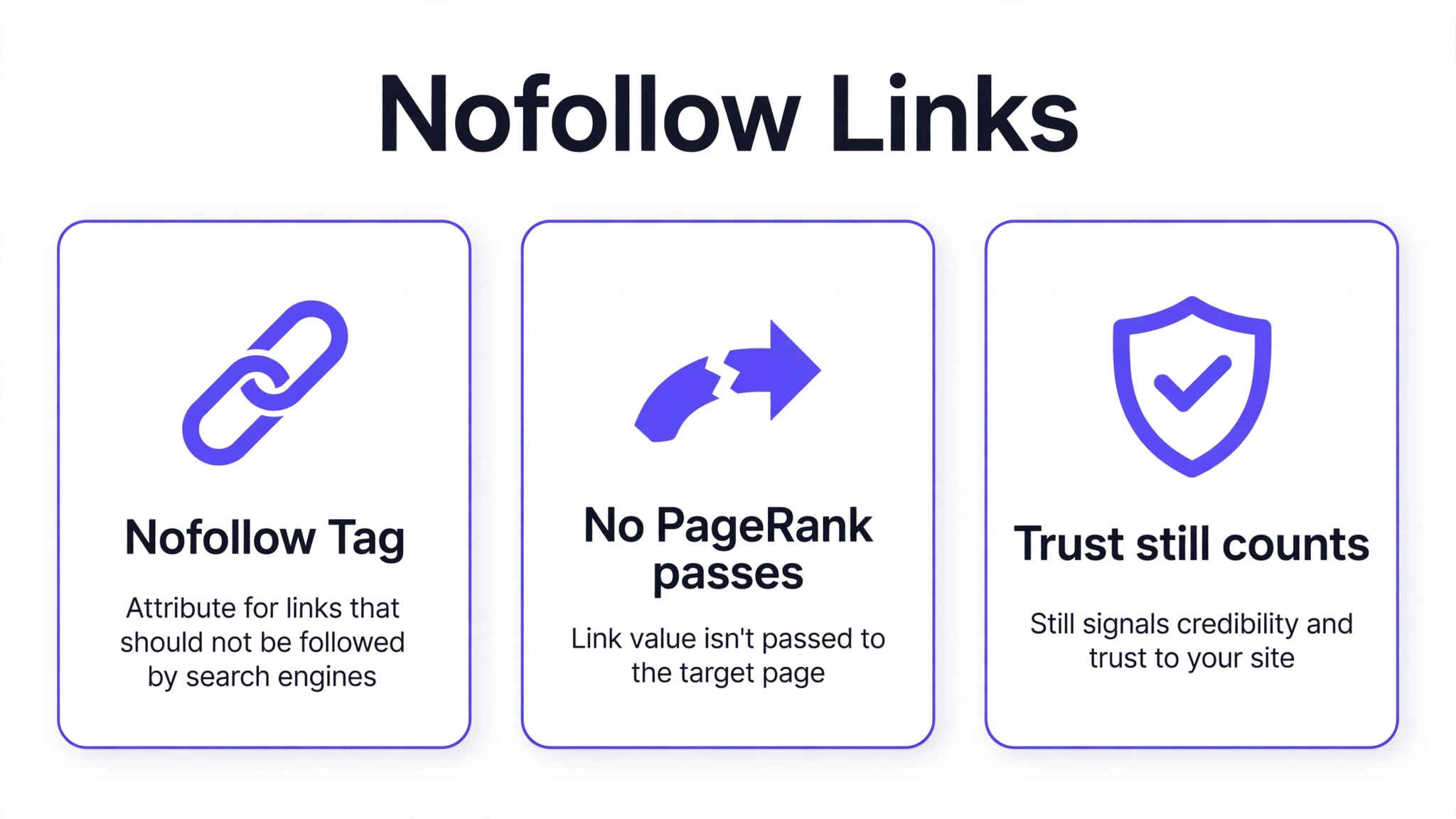
Every outbound link on Wikipedia carries rel="nofollow" — true since 2007. I checked Figma’s 246 Wikipedia links in Semrush: 245 nofollow, and the single “follow” was a Wikipedia-mirror site, not real Wikipedia. Effectively 100% nofollow.
So why does anyone care?
Link equity isn’t the only currency. Wikipedia links pay in trust, traffic, secondary links, and entity signals. Real talk: if someone’s selling Wikipedia backlinks as “ranking boosters,” walk away. If they’re selling trust and visibility assets, listen.
Chapter 2: The Figma Case — 246 Wikipedia Links, Dissected
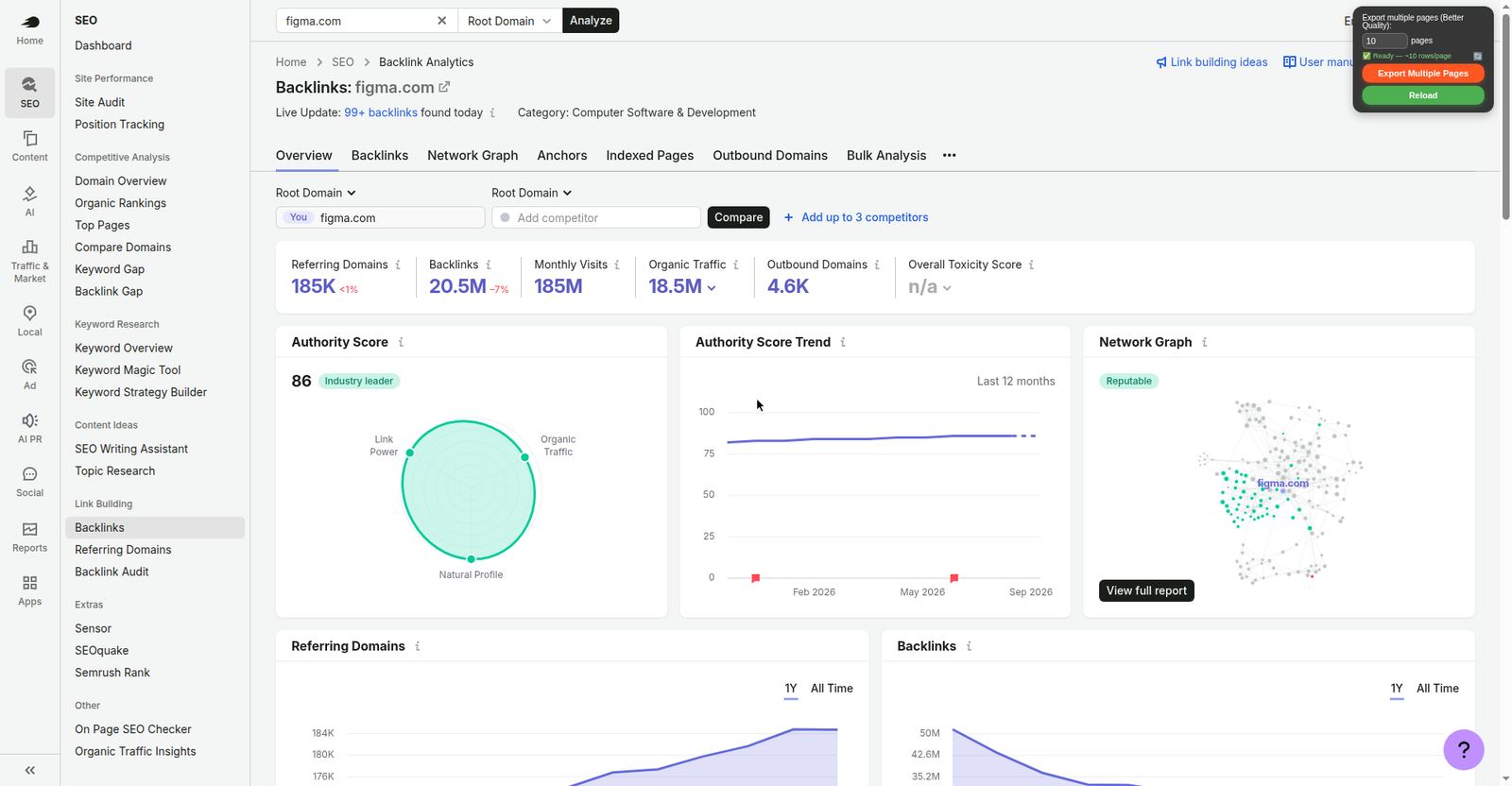
The headline numbers (Semrush, 2026)
- Authority Score: 86 — “Industry leader.”
- Referring domains: 185,000
- Backlinks: 20.5 million
- Monthly visits: 185 million
- Organic traffic: 18.5 million
The Wikipedia footprint: 246 links
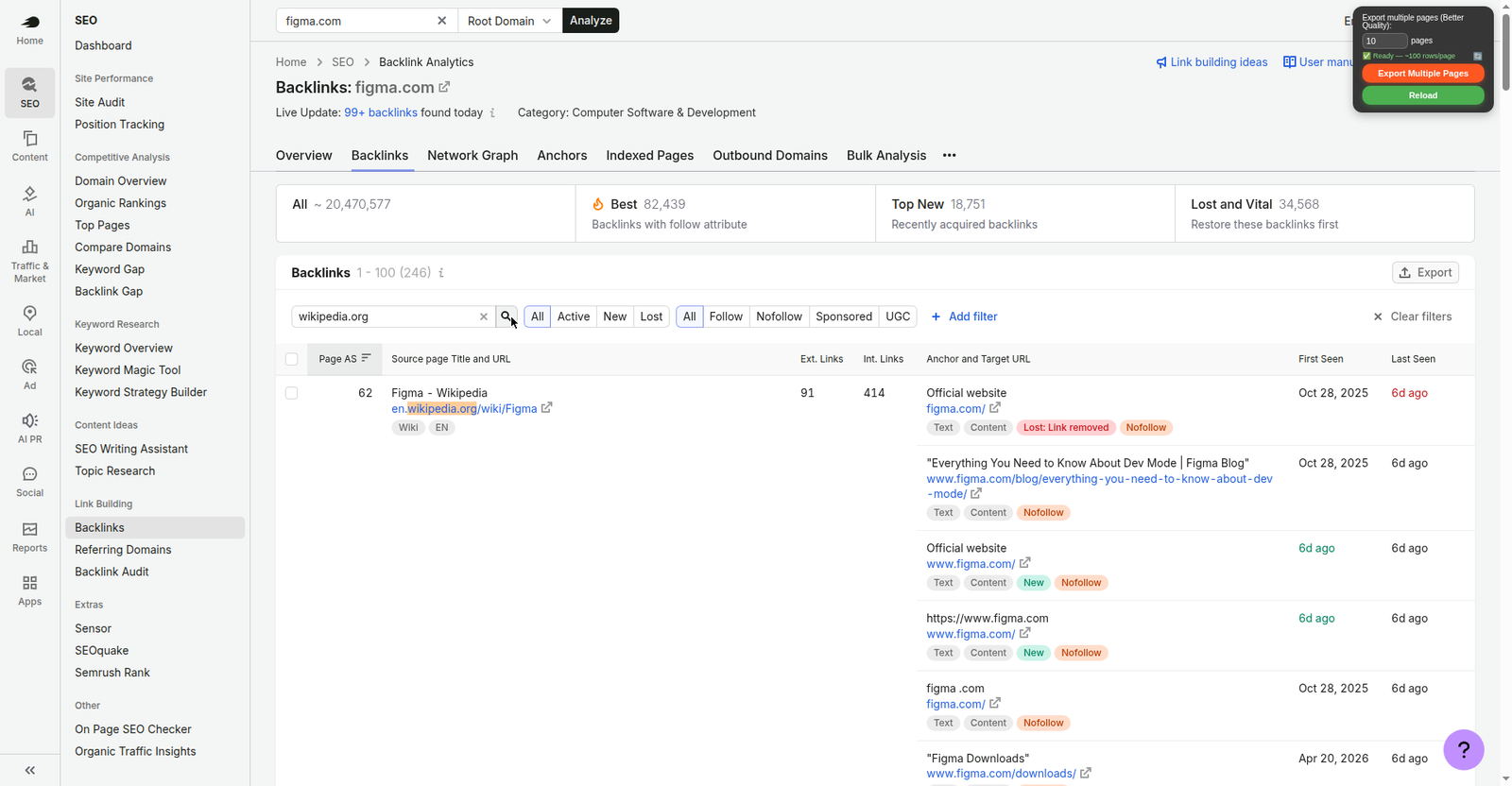
Filtering by wikipedia.org reveals 246 backlinks — from the English Figma article, topical articles, and 14+ language editions (German, French, Spanish, Italian, Dutch, Russian, Portuguese, Ukrainian, Hebrew, Japanese, Vietnamese, Arabic, and more).
The dead link hiding in plain sight
en.wikipedia.org/wiki/Figma (Page AS 62), anchor “Official website” → figma.com/ — flagged “Lost: Link removed.” Figma’s own Wikipedia article lost its official-website link. That’s a textbook dead-link opportunity on one of the most-viewed software articles on Wikipedia — verifiable in the data, right now.
What Wikipedia actually cites
Wikipedia cites Figma’s engineering blog as a source: Roboto and HarfBuzz articles cite Figma’s type-design posts; typography articles reference Figma content; Conflict-free replicated data type cites Figma’s multiplayer tech writing; figma.com/colors/viridian gets cited from color articles. The lesson: Wikipedia cites original technical content — not marketing pages. Your homepage won’t earn Wikipedia links. Your research will.
The anchor profile
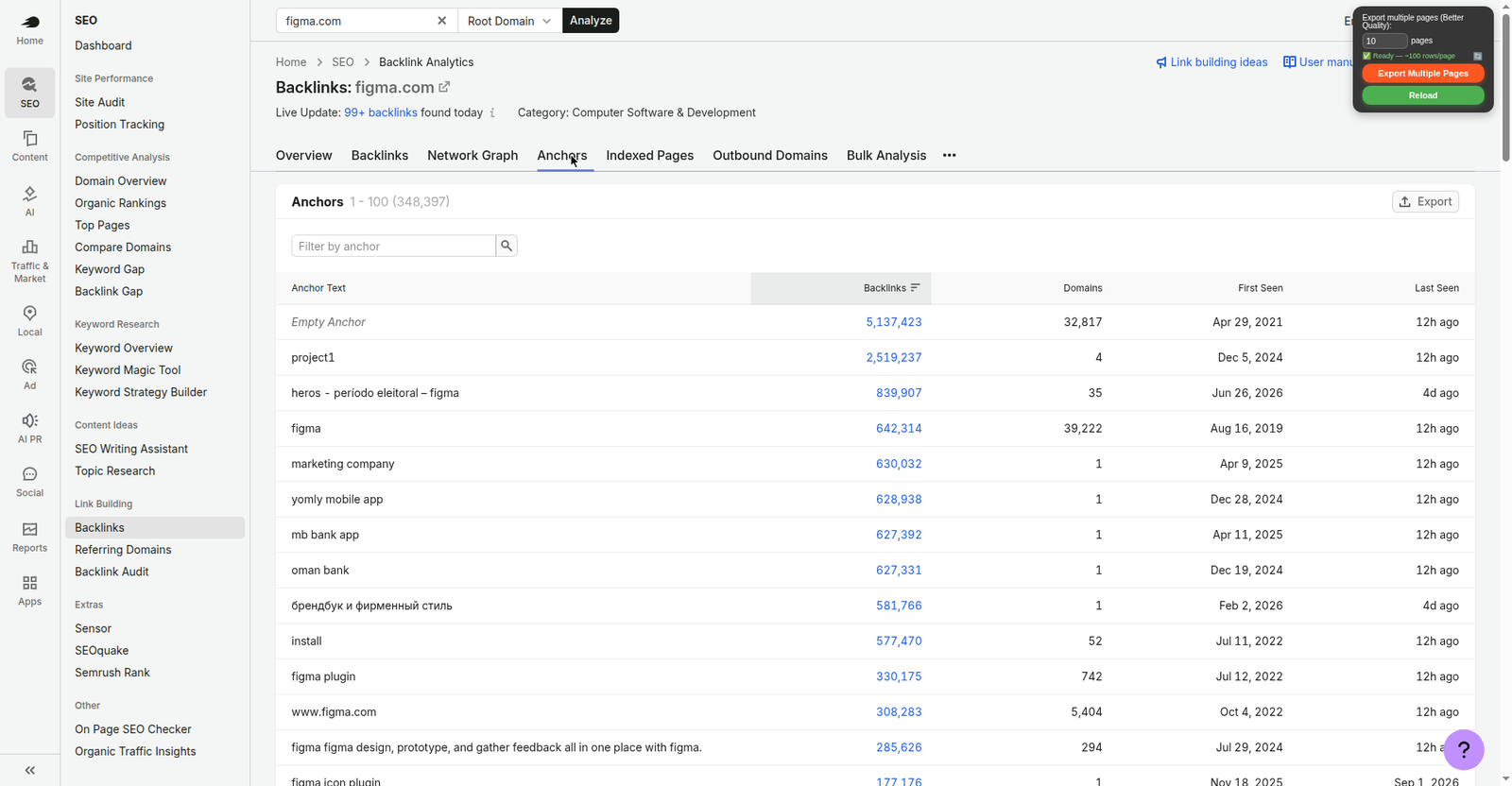
“Empty Anchor” (5.1M — image/file-share links), “figma” (642K across 39,222 domains) — nobody manufactured this diversity; it’s what a real product’s profile looks like.
What Figma teaches about linkable products
Shareable products generate links automatically. Figma’s shareable design-file URLs produced millions of links (“project1”: 2.5M) without outreach. The principle transfers: free tools, templates, public galleries, embeddable widgets — build shareable assets and links follow.
The honest footnote
Figma is an outlier — your results will be proportionally smaller. And 246 links took years of organic accumulation. Anyone promising 50 Wikipedia links in a month is selling reversions-in-waiting.
Chapter 3: Do Wikipedia Links Help SEO? The Honest Answer
Direct ranking impact: essentially zero
Nofollow means no PageRank passes. A Wikipedia link will not directly move your rankings.
Indirect impact: real but hard to measure
Entity establishment: citations help search engines understand your brand as a known entity. Secondary links: writers discover you via Wikipedia and re-cite — often dofollow. Brand search volume: Wikipedia drives curious readers who Google your brand. E-E-A-T context: being reference-worthy is evidence of expertise.
The honest summary
Wikipedia links are a trust and visibility asset, not a ranking tactic. Treat them as one piece alongside digital PR and guest posting — and they’ll compound.
7 Wikipedia Backlink Myths — Busted
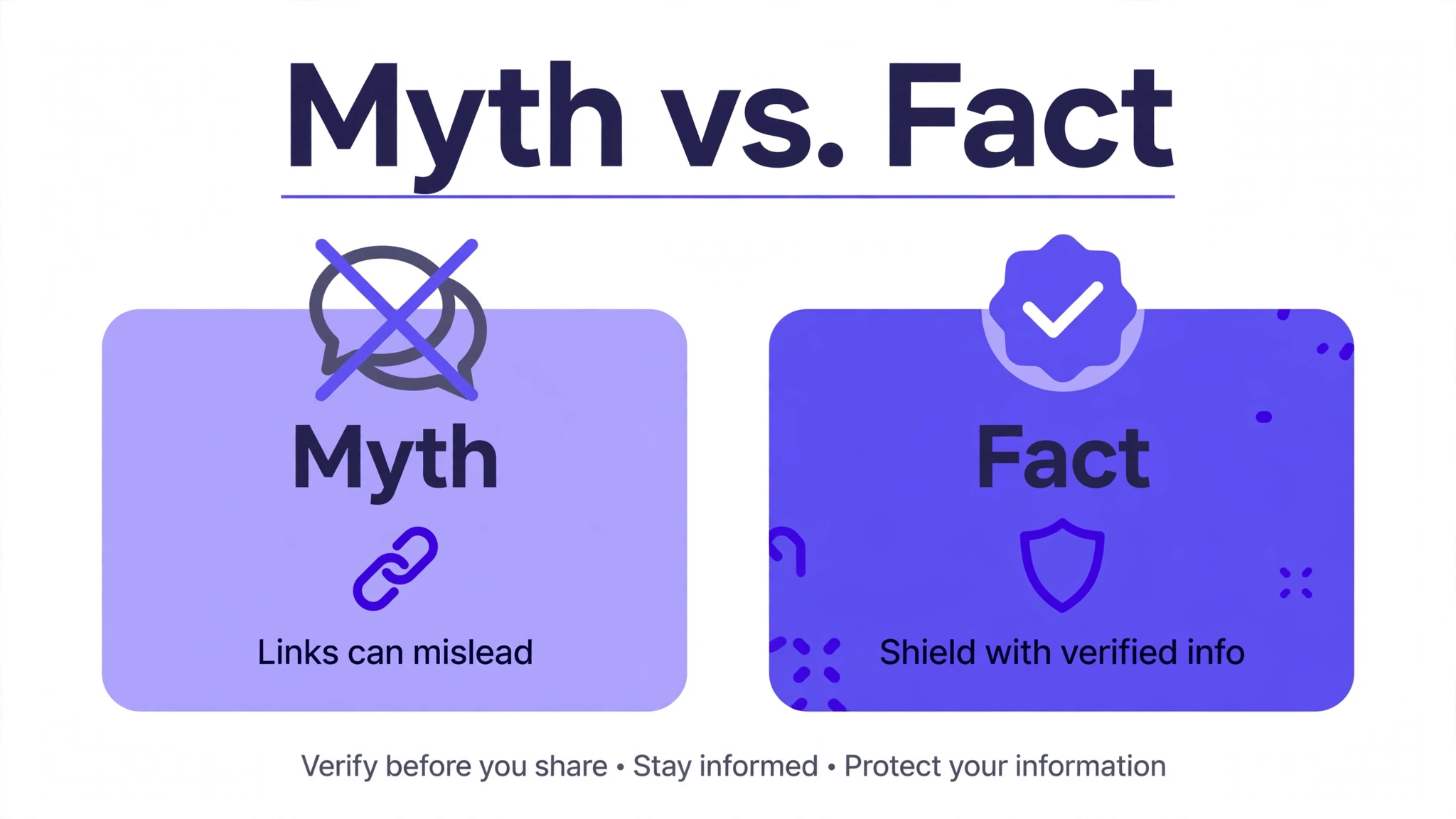
Myth 1: “Wikipedia links boost rankings directly” — Nofollow since 2007. Busted. Myth 2: “You need a Wikipedia page to get links” — Figma’s best links are citations in topical articles. Myth 3: “Dofollow Wikipedia links exist” — They don’t. Myth 4: “More links = better” — Survival rate matters, not count. Myth 5: “Editors hate marketers” — They hate spam; genuine contributors are welcomed. Myth 6: “Buying links is safe if discreet” — Undisclosed paid editing violates Wikimedia’s Terms of Use. Myth 7: “Wikipedia is dying” — Still a top-10 global site seeding the web’s link graph.
Chapter 4: Why Bother? The 4 Real Benefits
1. Trust by association
A citation on Wikipedia is a third-party credibility stamp no paid placement can replicate.
2. Referral traffic that converts
Wikipedia readers are researchers — small volume, extremely high intent.
3. The secondary-link multiplier
One Wikipedia citation can seed dozens of earned links over time. The nofollow link births follow links.
4. Permanence
Citations persist for decades — one of the most durable link assets you can earn.
Wikipedia links vs. other link types
Wikipedia: no equity, highest trust, time-only cost, high difficulty, decades lifespan. Guest post: medium-high equity, medium trust, $0–$600. Digital PR: high equity, high trust, $500–$10k/campaign. Wikipedia is the trust anchor of a profile, not the engine.
Chapter 5: How Wikipedia Linking Actually Works
Where links live
Citations/references (90% of earned links) · External links section (usually just the official site) · Infobox (one “official website” link).
The citation economy
Every claim needs a reliable source. Editors perpetually need better sources — dead links to replace, uncited claims to support. That perpetual need is your opportunity.
What “reliable source” means
Established publications, academic sources, official docs, recognized expert content. Your company blog can qualify — Figma’s engineering blog proves it — when the content is substantive and the claim factual, not promotional.
Wikipedia in 2026: What’s Changed
AI crackdown: AI-written additions face extra scrutiny — cite genuine expertise. Stricter sourcing: cleanup drives create fresh dead-link opportunities. Visual editor: contributing is easier; the quality bar is higher. Real talk: Wikipedia gets harder to game and easier to contribute to every year.
Chapter 6: The 4 Ways to Earn Wikipedia Backlinks
Method 1: Dead link replacement — find dead links, create the replacement, suggest the fix. Highest-converting. Method 2: Missing citation fulfillment — answer [citation needed] tags with your content. Method 3: Become the definitive resource — create content so good editors cite it organically. Method 4: New article contributions — for notable brands, a neutral article via Articles for Creation.
Setting Up Your Wikipedia Editor Account (Do This First)
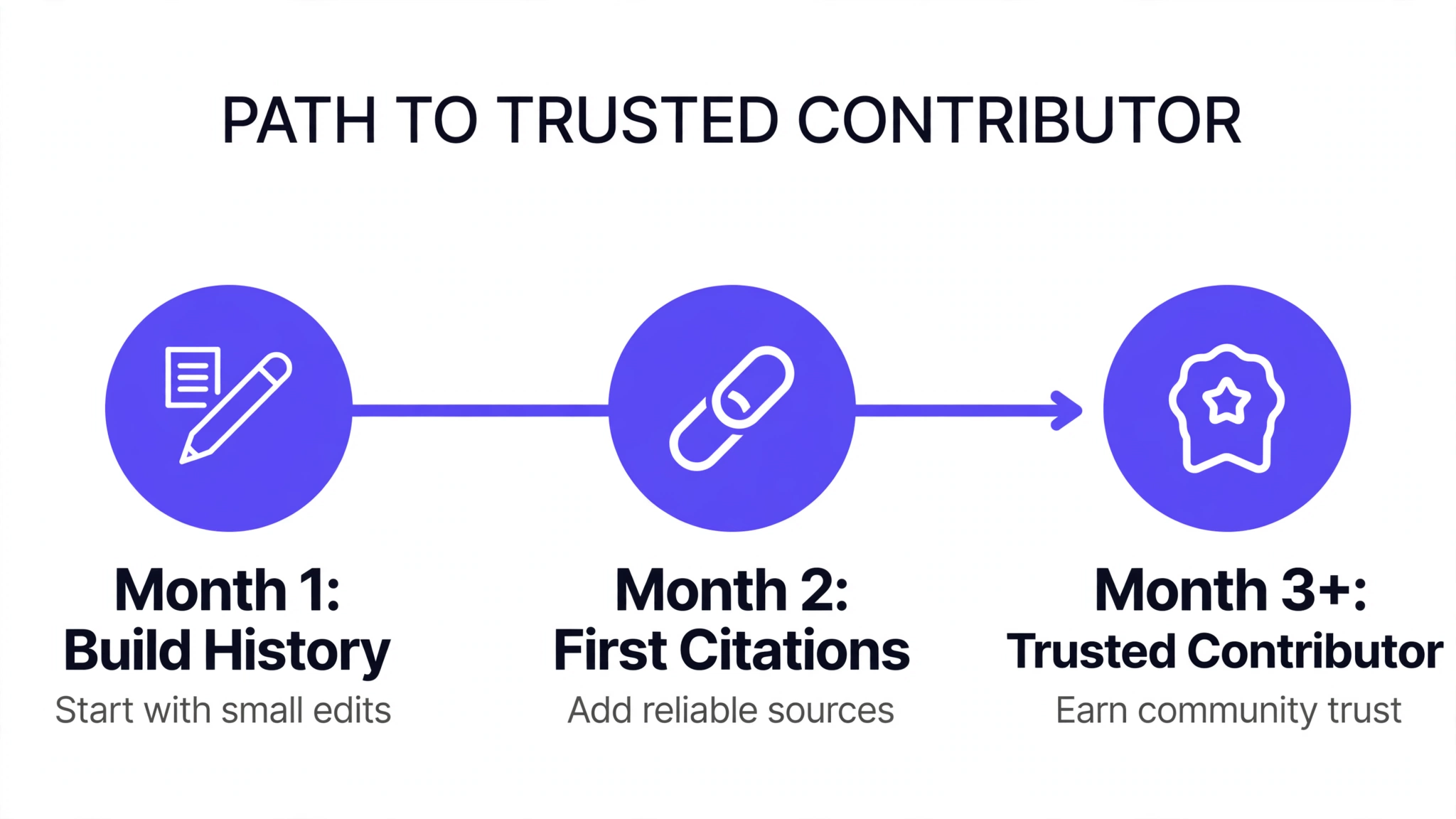
Create an account (never edit as IP) · make 20–30 constructive edits on unrelated topics first · write a user page with COI disclosures · practice in the sandbox · read Verifiability, NPOV, and COI policies. Month 1: minor edits. Month 2: first citations. Month 3+: trusted contributor. Real talk: the account is the asset — build it like one.
Chapter 7: Dead Link Building — The Step-by-Step Playbook
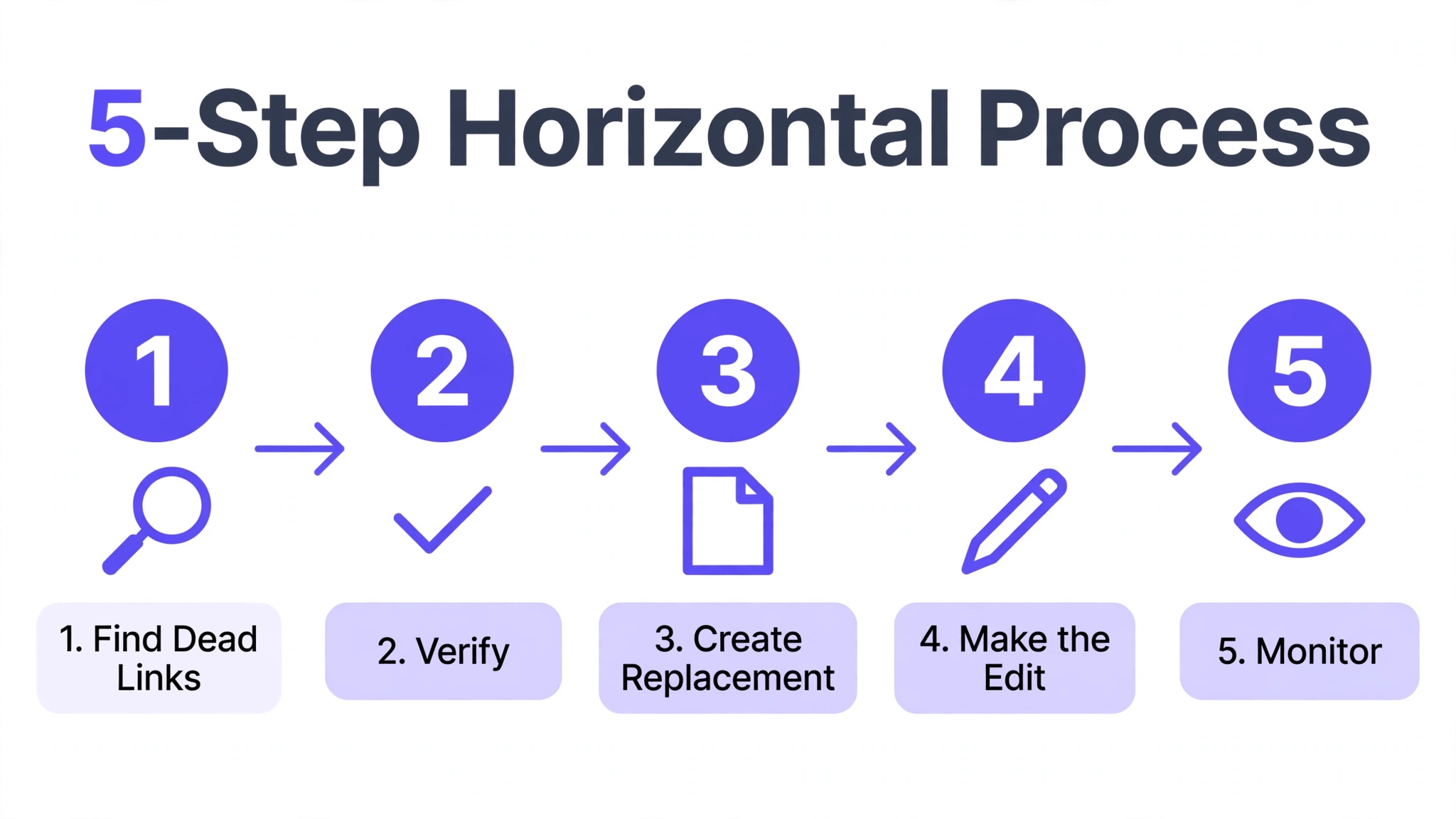
Step 1: Find dead links in your niche
site:wikipedia.org [niche] "dead link" · WikiGrabber-style tools · Semrush “Lost” wikipedia.org backlinks on competitors.
Step 2: Verify
Confirm it’s dead; check the Wayback Machine for what the original covered.
Step 3: Create the replacement
Thorough, neutral, well-sourced — genuinely replacing what was lost. No thin content.
Step 4: Make the edit
Replace the dead URL, keep citation format, write a clear edit summary: “Replaced dead link with working source covering [topic].”
Step 5: Monitor
Watch for reversions; if reverted, engage on the talk page — never edit-war.
Advanced tactics
Wayback resurrection: beat the archived standard. Competitor dead links: replace links that used to point to competitors. Reference-list mining: dead links cluster — fix them all. Watchlist alerts: be first to new link rot.
Scale expectations (honest)
10–20% of edits stick long-term. Each survivor is a permanent, high-trust asset.
The [Citation Needed] Goldmine
site:wikipedia.org [niche] "citation needed" surfaces labeled opportunities. The filter: can your content serve as the ideal source for this claim? If yes, cite. Citation-needed hunting beats dead-link building for beginners — you write precisely to the gap. Real talk: one afternoon typically surfaces 20–50 genuine opportunities.
How to Read Any Wikipedia Article Like a Link Builder
60-second scan: reference list (dead links) · Ctrl+F “citation needed” · citation quality (weak sources = replaceable) · external links (competitor gaps) · talk page (sourcing disputes) · page views (prioritize traffic) · language links (easier wins). Real talk: most people read Wikipedia. Link builders audit it.
Chapter 8: What Content Actually Earns Wikipedia Citations
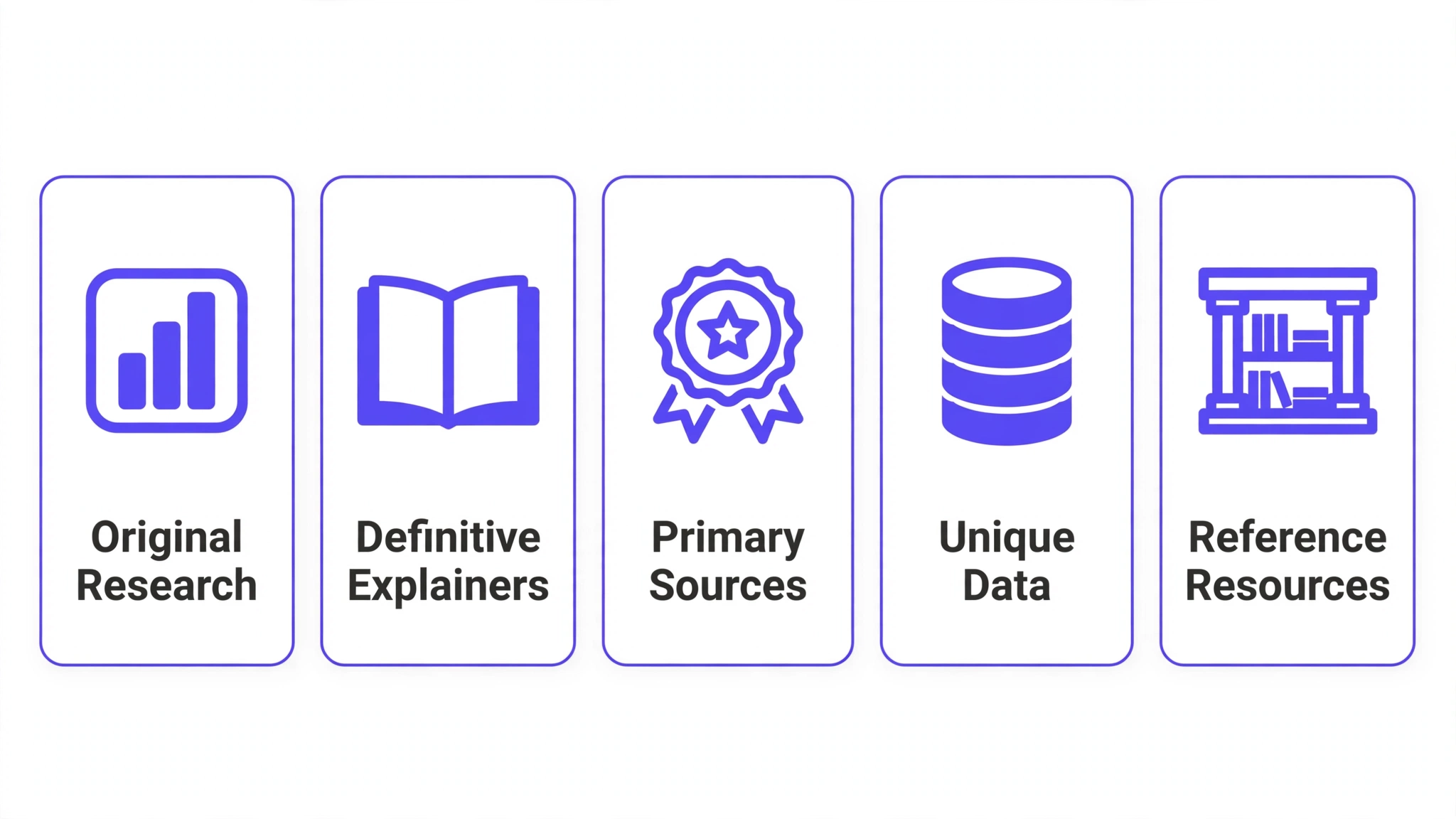
Original technical research (Figma’s multiplayer posts cited in CS articles) · definitive explainers (“The birth of Inter”) · primary sources (docs, release notes) · unique data (surveys no one else has) · reference resources (Figma’s color pages). Never cited: product pages, pricing, marketing posts, listicles, opinion pieces. The audit question: “Would an editor cite this as the best source for a factual claim?”
Building a Wikipedia-Friendly Content Engine
Quarterly research piece (substantive, primary-source) · citation-gap calendar (write directly to Wikipedia’s gaps) · neutral-tone discipline (documentation, not marketing) · the compounding loop (research → citations → secondary links → authority). One solid research piece per quarter; returns dwarf the investment.
Chapter 9: Wikipedia Page Creation for Brands
Notability bar: significant coverage in independent sources — most small businesses don’t clear it. If you qualify: don’t write it yourself (COI); disclose paid editing (required by Wikimedia ToU); use Articles for Creation; write neutrally with independent sources. Timeline: weeks to months; many drafts declined first round.
Talk Pages: The Most Underused Channel
COI suggestions: “I work for [company] — our [research] documents this unsourced claim. Would an editor consider it?” Dead-link reports: flag what you can’t fix. Source offers: mention genuinely useful research. Real talk: the talk page is where white-hat Wikipedia work happens.
Chapter 10: The Rules — What Gets You Banned
COI: disclose, then suggest edits rather than making them. Paid editing disclosure: required by Wikimedia ToU — undisclosed operations get exposed regularly. Spam blacklists: one spammy campaign can blacklist your entire domain permanently. Edit warring: gets accounts blocked. Real talk: editors have fought link spam for 20 years. Genuine contribution is the only winning move.
Chapter 11: Buying Wikipedia Backlinks — The Honest Truth
Risks: reversion (you’re renting, not buying) · blacklisting (permanent) · undisclosed paid editing (ToU violation) · zero ranking impact (nofollow). When it can make sense: disclosed, content-first, targeting real dead links — and vet ruthlessly. Real talk: most sellers sell hope and rented links. If the pitch sounds too easy, it is.
Wikipedia Strategy by Niche
SaaS: technical blog content is citation gold. E-commerce: original consumer research, neutral buying guides. Local: community history in town articles; hyperlocal editions are opportunity-rich. Agencies/B2B: industry surveys with methodology — data is the universal citation currency.
Chapter 12: Wikipedia Editors for Hire — How to Vet
Do they disclose paid editing? (non-negotiable) · guarantees? (red flag) · surviving work 6+ months? (only proof) · do they talk you out of pages? (good sign) · reversion rate? (honest operators share it). Prices: $500–$2k+ article creation, $200–$800 citation campaigns. Cheap = corners cut.
Wikidata: Wikipedia’s Secret SEO Weapon
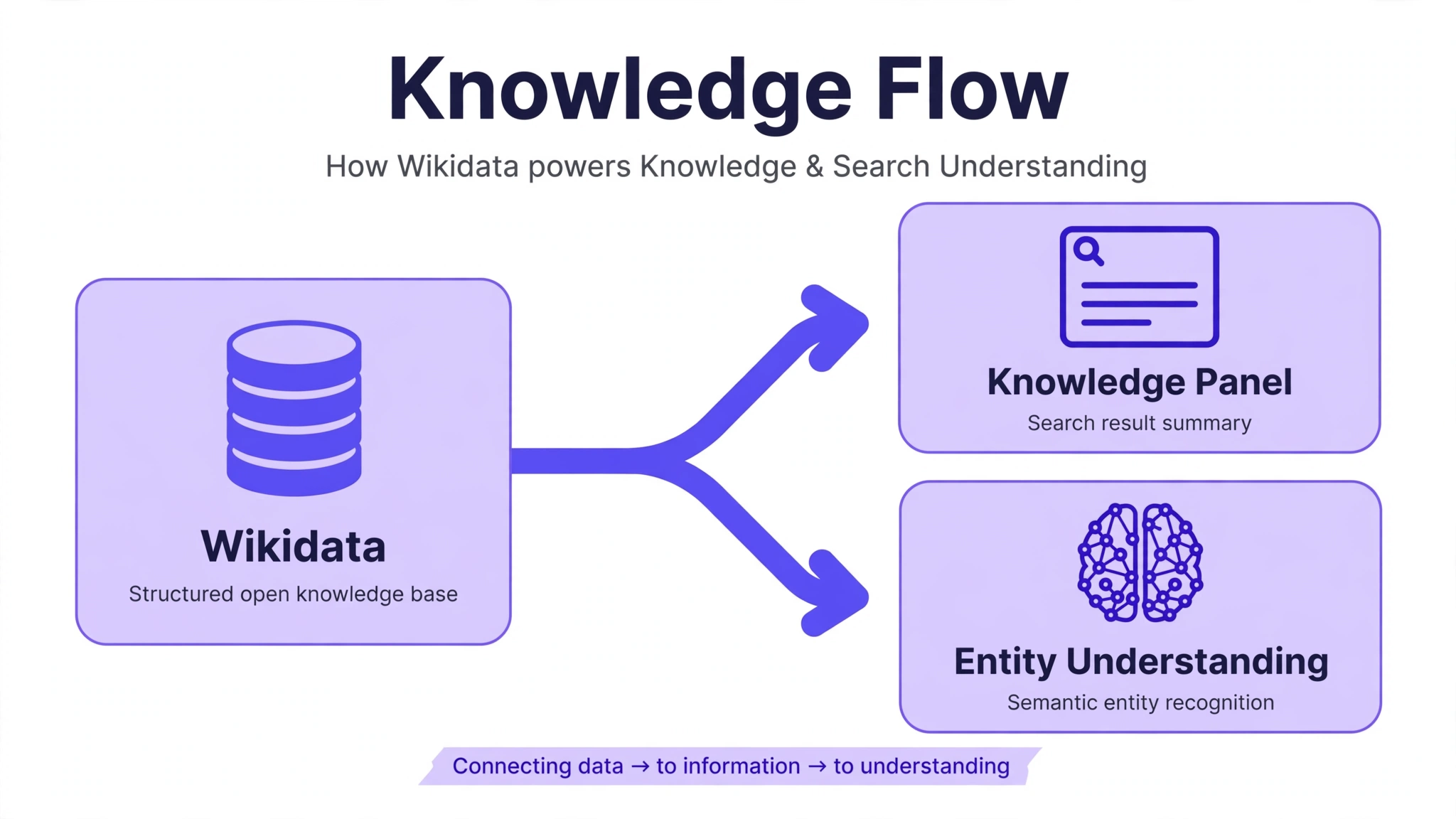
Wikidata feeds Google’s Knowledge Graph: Knowledge Panels, entity disambiguation — with a lower notability bar than Wikipedia. Claim and complete your brand’s entry: website, socials, founding details, all sourced. Highest-ROI 30 minutes in entity SEO. Real talk: don’t obsess over articles while ignoring the database that powers Google’s understanding of your brand.
Chapter 13: The 30-Day Wikipedia Action Plan
Week 1: Research — map 20–30 opportunities. Week 2: Content — create 2–3 citation-worthy resources. Week 3: Contribute — make the edits with clear summaries. Week 4: Monitor — check survival, document the playbook. Expected: 3–8 surviving citations, a content gap map, a monthly habit.
Anatomy of a Citation That Survives
5 traits: supports a specific factual claim · best available source · neutral presentation · proper formatting · no COI fingerprints. Run every planned citation through this checklist.
Wikipedia Link Reclamation
Filter your backlinks by wikipedia.org, flag “Lost” entries, diagnose (URL changed vs content gone), fix the citation, and prevent future loss with URL stability. Real talk: highest-ROI Wikipedia activity — run the audit quarterly.
Chapter 14: Measuring Wikipedia Link Value
Track: surviving citations (90-day survival) · referral traffic (small, high-intent) · secondary links (the multiplier) · brand search lift · reversion rate (below 50% survival = fix your approach). Don’t claim ranking causation — report trust assets with compounding effects.
Chapter 15: 7 Mistakes That Get Wikipedia Links Removed
1: links without improving the article. 2: citing promotional content. 3: undisclosed COI. 4: mass-inserting across articles. 5: edit warring. 6: non-notable articles. 7: hiring guarantee-sellers.
The Multilingual Advantage (Figma’s 14+ Languages)
Smaller editions: less policing, more content gaps, local relevance signals. Browser translation handles research; native speakers handle edits. Real talk: English Wikipedia is the most competitive citation marketplace on earth. The other 300+ editions are blue ocean.
Wikipedia + Your Overall Strategy
Wikipedia is the trust layer — it doesn’t replace white-hat outreach, digital PR, or guest posting. Layering logic: guest posting builds relationships; PR earns spikes; Wikipedia adds permanent trust signals. Budget: 5–10% of link-building effort on Wikipedia.
The Wikipedia Link Building Checklist
☐ Account + COI disclosure · ☐ 20+ constructive edits · ☐ 20+ articles audited · ☐ 2–3 citable content pieces · ☐ first contributions with clear summaries · ☐ talk-page suggestions where COI applies · ☐ watchlists set · ☐ reclamation audit done · ☐ Wikidata claimed · ☐ monthly habit scheduled. Every box: a permanent trust asset.
The 10-Minute Monthly Habit
Monthly (10 min): check watchlists. Quarterly (1 hr): hunt fresh [citation needed] tags. Per research piece: 30 minutes placing it where Wikipedia needs it. Wikipedia rewards consistency over intensity.
The Long Game Wins
Wikipedia backlinks are the opposite of a hack. Slow, manual, nofollow, volunteer-governed. That’s exactly why they matter — anything this hard to fake is worth having.
Figma didn’t chase Wikipedia. They built engineering content so good that 246 citations across 14+ languages accumulated organically — and even their lost official-website link is an opportunity sitting in public data.
Your path: find the dead links, fill the citation gaps, create content worth citing, contribute like a genuine editor. Monthly. In a year, you’ll have a trust layer competitors can’t buy.
And every honest contribution makes the next one easier. Editors recognize quality. Your account builds reputation. The flywheel turns.
Start with one article in your niche today. The [citation needed] tags are waiting.
Keep Reading
- White Hat Link Building: The Complete 2026 Guide — the full playbook Wikipedia links fit into.
- Digital PR for Link Building — the earned-media strategy that creates citation-worthy content.
- Guest Posting & Blogger Outreach — build the relationships and content that earn citations.
- Free Website Audit — make sure your site deserves the trust signals you’re earning.
Do Wikipedia backlinks help SEO?
Wikipedia links are nofollow, so they pass no direct link equity and won’t directly boost rankings. Their real value is trust signals, high-intent referral traffic, secondary dofollow links from writers who discover you via Wikipedia, and entity establishment. Treat them as trust assets, not ranking tactics.
How do I get backlinks from Wikipedia?
The four legitimate methods: (1) replace dead links with your working resources, (2) fulfill [citation needed] tags with your content, (3) create definitive, citation-worthy content that editors reference organically, and (4) for notable brands, get a neutral Wikipedia article created through proper channels. All require genuine, non-promotional content.
Are Wikipedia backlinks dofollow or nofollow?
All Wikipedia external links are nofollow — this has been true since 2007 and is automatic. Anyone selling “dofollow Wikipedia backlinks” is misrepresenting the fundamental mechanics. Verified in Semrush data: of Figma’s 246 wikipedia.org backlinks, effectively 100% are nofollow.
How much do Wikipedia backlinks cost?
DIY dead-link building costs mainly your time. Legitimate Wikipedia consultants charge $500-$2,000+ for article creation and $200-$800 per citation campaign. Avoid cheap sellers — they typically use undisclosed paid editing or spam tactics that risk getting your domain blacklisted from Wikipedia permanently.
Can I create a Wikipedia page for my company?
Only if your company meets Wikipedia’s notability standards — significant coverage in independent, reliable sources. Don’t write it yourself (conflict of interest); use Articles for Creation, disclose any paid editing (required by Wikimedia’s Terms of Use), and write neutrally with independent sources for every claim.
What happens if my Wikipedia link gets removed?
Check the article’s talk page and edit history for the reason — often it’s formatting, a better source, or a notability concern. Don’t re-add it immediately (edit warring gets accounts blocked). Address the underlying issue or propose the edit on the talk page. A 10-20% long-term survival rate is normal for outreach-driven citations.